
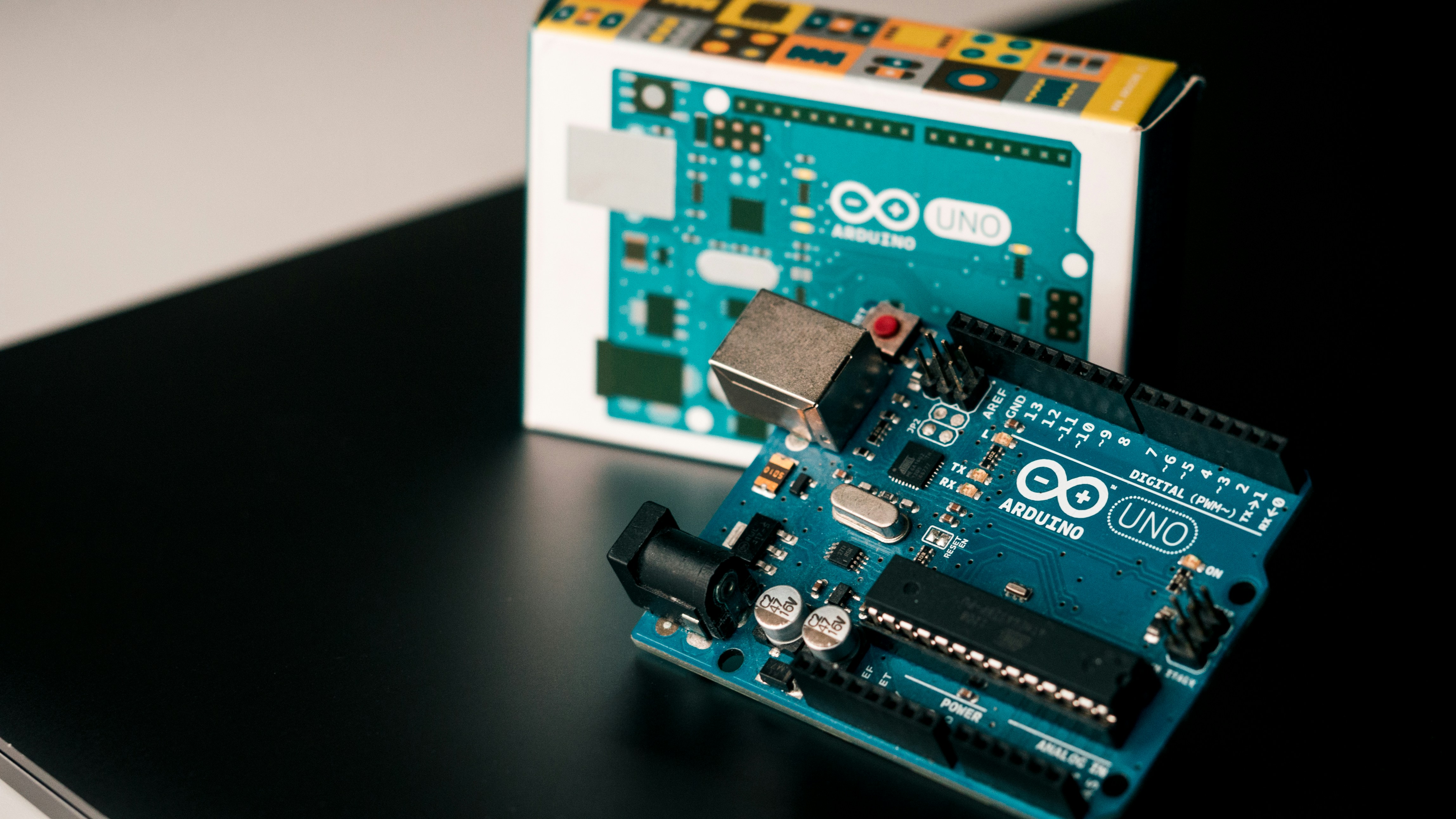
Your brain isn't just an organ; it's also your operating system. And like any system, it performs better with support to strengthen your cognitive health, improve emotional resilience, and sharpen self-awareness. The science backing this has never been more compelling. Recent groundbreaking research from McGill University and the National Institutes of Health demonstrates something remarkable: intensive cognitive training can literally reverse a decade of brain aging.¹,² Scientists found that older adults who engaged in just 30 minutes of daily mental exercises for 10 weeks increased their levels of acetylcholine (a critical brain chemical responsible for memory, attention, and decision-making) by 2.3% in the anterior cingulate cortex.¹
This finding is profound, because acetylcholine naturally declines by approximately 2.5% every decade after age 45, accelerating dramatically in people with Alzheimer's disease.¹ In other words, cognitive training didn't just slow the aging process; it actually turned back the clock. The researchers were so surprised by the magnitude of the findings that they had to verify their results multiple times.¹ What makes this even more significant is that the benefits weren't isolated to one brain region: acetylcholine levels also increased in the hippocampus, which is vital for memory formation.¹ This study provides the first compelling human evidence that what we do mentally directly changes the biology of our aging brains.²

But here's what makes these findings truly transformative: they reveal that your cognitive destiny isn't predetermined. The POINTER study, involving over 2,100 inactive older adults, showed that a comprehensive two-year program combining diet, exercise, and cognitive training didn't just improve thinking and memory; it produced cognitive function scores comparable to people one to two years younger.³ Participants achieved what researchers call "cognitive function equivalent to those of people one to two years their junior."³ Even more remarkable, those in the intensive program showed significantly greater improvements than those in a self-directed control group, suggesting that structure, coaching, and intentional effort matter tremendously.³
The research demonstrates that cognitive decline associated with normal aging isn't inevitable, but rather preventable and reversible with the right support.³ This isn't about genetics or luck. This is about taking deliberate action to maintain the mental sharpness that allows us to think clearly, make sound decisions, and enjoy life fully. As one researcher noted, "There is no way to establish a new habit or modify behavior without intentional, regular effort. It's simply not feasible" to change outcomes without commitment.³ The good news? These studies prove that commitment actually works.³

The connection between cognitive health and overall mental health is equally remarkable. Research shows that psychological well-being and strong cognitive function are deeply intertwined. Those with high psychological well-being score significantly higher on cognitive tests across all domains: memory, attention, processing speed, and executive function.⁴ The relationship is so strong that differences in cognitive function between those with high and low well-being are equivalent to the cognitive difference associated with four additional years of aging.⁴
Mental health professionals are increasingly recognizing what neuroscientists have confirmed: a sharper brain supports better emotional resilience, clearer thinking, and improved self-awareness.⁴,⁵ When your cognitive operating system is optimized, you have better access to the prefrontal cortex -- the brain region responsible for emotional regulation, rational decision-making, and self-reflection.⁵ You become less reactive to stress, more capable of managing anxiety and worry, and better equipped to navigate life's challenges with clarity.
This is why cognitive training isn't just for older adults worried about dementia. It's for anyone who wants to think more clearly, feel more resilient, and maintain the mental acuity that enables them to pursue meaningful work and relationships.⁵
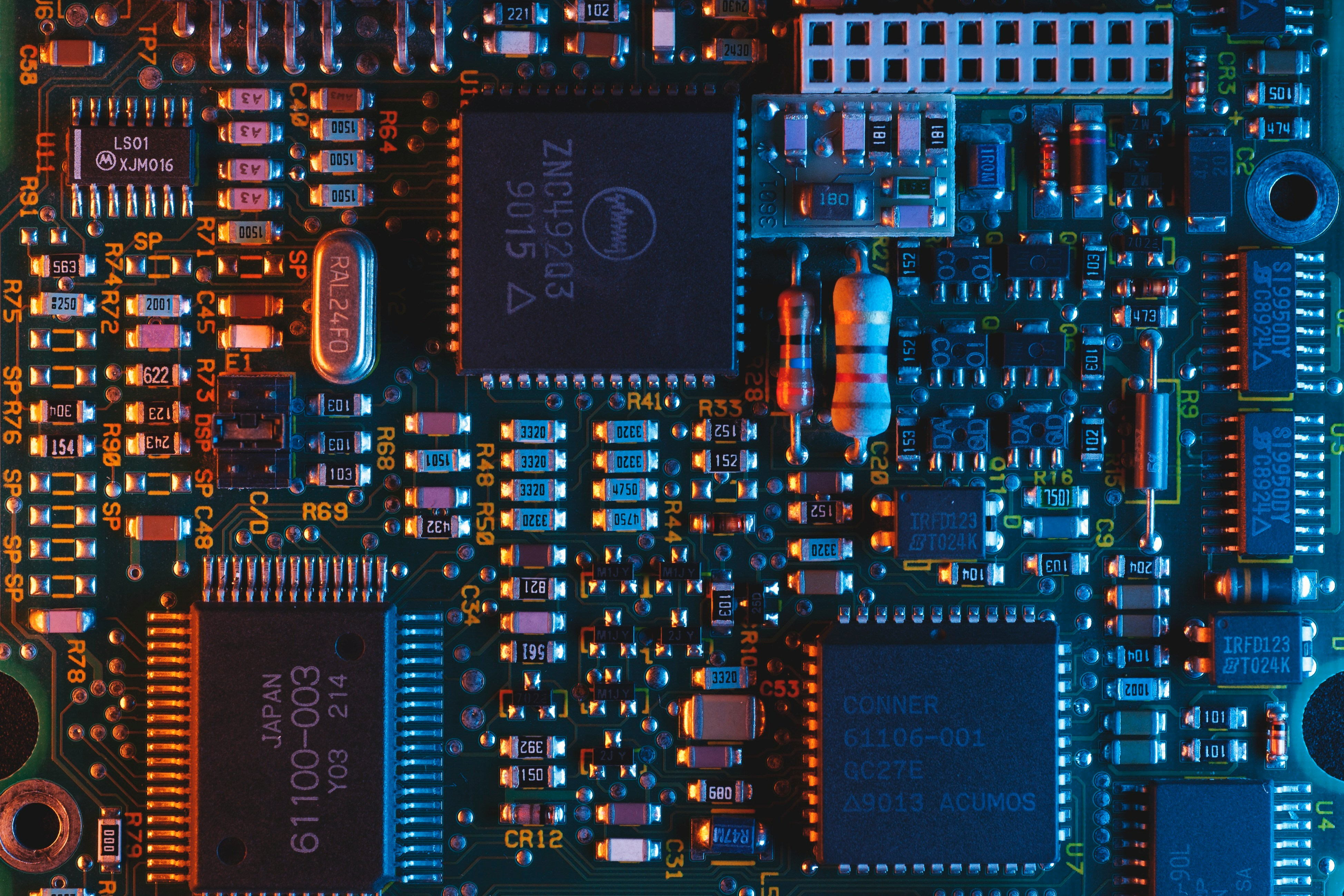
This is where Thinkie comes in. Thinkie combines what science has proven works -- intensive, structured cognitive training that challenges your attention, processing speed, and executive function -- with real-time neurofeedback that shows you whether your brain is genuinely engaged.⁶ Unlike generic brain-training apps that can't verify whether you're actually activating your prefrontal cortex, Thinkie's fNIRS sensor measures blood flow to the regions responsible for memory, focus, and emotional regulation.⁶,⁷ You see in real time, through Thinkie's color-coded Brain Meter, whether your training is creating the neuroplastic changes that reverse cognitive aging.⁶
The beauty is flexibility: Thinkie includes 19 scientifically designed games targeting specific cognitive functions, but it also works with any mentally demanding activity you choose, be it storytelling, music, puzzles, or games.⁷ With Thinkie, you're not hoping your training works. You're watching your brain work. Randomized controlled trials at Tohoku University, UC Santa Barbara, and the University of Lorraine show that consistent Thinkie users achieve an average 3.7-year brain age reduction in just three months, with some users seeing reductions of 10+ years after a year of consistent training.⁸

Your brain is an operating system that can be upgraded, optimized, and maintained, but only with the right tools and real feedback. Better brain health isn't a luxury; it's a foundation for thriving at any age.
Sources
- NPR. "Mental exercise can reverse a brain change linked to aging, study finds." October 22, 2025.
- JMIR Games for Health Journal. "Effects of Computerized Cognitive Training on Vesicular Acetylcholine Transporter Availability." October 2025.
- NPR. "Big study finds lifestyle changes after age 60 can enhance brain health." July 28, 2025.
- National Institutes of Health. "Cognitive function and psychological well-being: findings from a representative sample." October 2008.
- World Economic Forum. "What is the 'cognitive price' of mental health problems?" June 2, 2025.
- Thinkie System. "How Thinkie Combines Neuroscience and Technology for Superior Brain Training." May 5, 2025.
- Thinkie System. "How Thinkie's fNIRS Brain Training Technology Works." January 14, 2025.
- Thinkie System. "Unveiling Actual Users' Remarkable Brain Age Improvement using Thinkie Technology." March 6, 2025.