
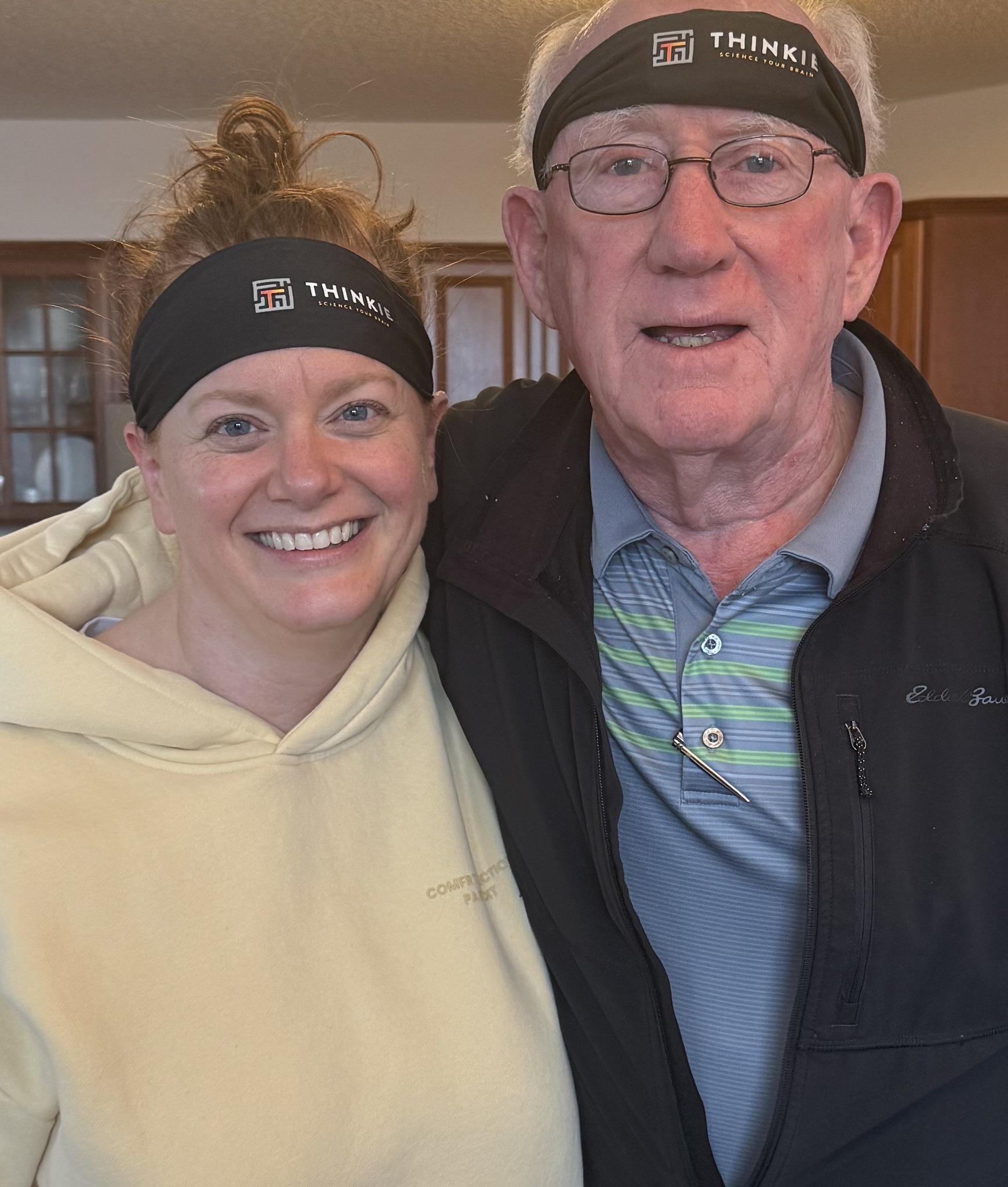
Brain training is shifting from being a “nice-to-have” activity for seniors to an intentional, measurable intervention built into everyday life. Senior brain training today combines science-backed exercises, real-time feedback, and easy-to-use technology so residents can stay sharper, more confident, and independent for longer.
Why modern brain training works
In leading care communities, cognitive wellness is treated like fitness for the mind: it's structured, trackable, and part of the daily routine. Instead of relying on passive activities alone, teams now pair goal-directed exercises with tools like a brain training app for elderly residents that adapts to each person’s level and shows progress over time. This turns brain training for seniors from entertainment into purposeful training rooted in neuroscience.
Everyday independence as the true outcome
Most residents care less about in‑app scores and more about what those scores mean for daily life. When senior brain training targets memory, attention, and executive function, communities often see:
- Fewer missed steps in daily routines
- Better follow‑through on instructions
- Stronger time awareness and orientation to the day
- Greater confidence in conversations and decision‑making
Over time, these small improvements compound and residents begin to participate more, build stronger relationships, and experience better emotional and cognitive health.
The power of group‑based engagement
Brain training becomes even more effective when it’s social. Group sessions give residents a chance to encourage each other, compare efforts, and enjoy a shared experience rather than working alone. Within care communities, senior brain training fits naturally into:
- Morning wellness blocks
- Activity room or lounge sessions
- After‑lunch engagement blocks
- Rotating small‑group circles
This makes cognitive work feel like part of the culture and something that residents look forward to, not an isolated “program” with dubious appeal or benefit.
Emotional health, confidence, and mood
Cognitive and emotional wellness are tightly linked. Repeated memory lapses or mental fatigue can trigger frustration, withdrawal, or reluctance to try new activities. When residents see clear, measurable gains from consistent brain training, they tend to report:
- Less anxiety about forgetfulness
- A more resilient, even mood
- A renewed sense of capability and identity
In this way, brain training for seniors becomes confidence‑building care rather than a reminder of decline. That shift in emotion is fundamental for long‑term engagement.
What “brain training for seniors” really means
In a modern care community, brain training for seniors is a structured set of mental exercises that stimulate regions involved in memory, reasoning, attention, and problem‑solving. Effective programs are:
- Targeted, in that exercises are designed for specific cognitive skills, not random puzzles
- Adaptive, meaning level of challenge adjusts in real time to each resident’s performance
- Trackable so that progress is visible over days, weeks, and beyond
The goal is not to “test” memory, but to support cognitive flexibility that then shows up in everyday living.
How the aging brain still improves
Decades of research show that neuroplasticity, the brain’s ability to change, persists throughout life. Training that activates the prefrontal cortex can improve executive function, processing speed, short‑term memory, and problem‑solving, especially when delivered in short, regular sessions. For older adults, consistency matters more than intensity: 10–15 minutes, several times a week, can be enough to build momentum.
Why passive activities alone fall short
Crosswords, word searches, and casual trivia remain enjoyable and familiar, but they rarely adapt to each resident’s ability level or provide objective feedback. Without that personalization,
- Progress is difficult to measure
- Residents may not know whether an activity is “the right challenge”
- Motivation can fade when they do not see change
Modern programs replace guesswork with data‑informed, closed‑loop training that shows the brain actually working harder during targeted tasks.
Personalization and real‑time feedback
Personalized senior brain training turns “trying” into tangible progress. When exercises match an individual’s current ability, residents are more likely to stick with them, because they are challenging yet achievable. Real‑time visual feedback, a hallmark of systems like Thinkie, helps residents:
- See their cognitive effort as it happens
- Track changes over time
- Understand which types of tasks activate their brain most effectively
This sense of agency keeps engagement high. Residents are not just completing tasks; they are actively influencing their own brain health with each training session.
How technology reshapes cognitive care
Digital platforms and wearables give care teams the ability to deliver consistent, personalized cognitive training at scale. A well‑designed brain training app for seniors or brain training app for elderly users can:
- Standardize best‑practice training across different communities
- Automatically adjust difficulty without constant staff oversight
- Capture objective cognitive data to inform care plans
Wearable sensors add another layer, showing how the brain responds during training so that sessions can be tuned for optimal intensity and minimal fatigue.
Implementing systems that staff and residents actually use
For any solution to work, it must fit smoothly into existing routines. Successful communities tend to choose systems that emphasize:
- Portability and quick setup in resident rooms or common areas
- Intuitive, senior‑friendly interfaces
- Minimal tech burden on staff
- Ongoing support, education, and training
When tools are easy to learn and easy to use, communities achieve more consistent participation and better long‑term outcomes.
Standing out with innovation
Families evaluating care options increasingly ask about cognitive wellness offerings alongside dining, activities, and medical support. Communities differentiate themselves when they can demonstrate:
- Structured brain‑health pathways, not one‑off activities
- Measurable outcomes residents and families can see
- Transparent progress tracking at the individual and group level
Offering advanced brain training for seniors signals a commitment to proactive, future‑focused care.
The role of joy in effective training
Enjoyment is not a bonus feature; rather, it is essential to results. Residents stick with cognitive routines when training feels rewarding, social, and appropriately challenging. Strong programs blend:
- Challenge with accessibility
- Variety with comforting routines
- Individual play with group interaction
When brain training is fun, adherence improves, and so do outcomes.
Routines, staff partnership, and privacy
Built‑in routines, such as scheduled “brain blocks” during the week, help residents form habits that protect long‑term cognitive health. Staff play a central role by encouraging participation, celebrating milestones, and integrating training into broader wellness plans. At the same time, modern systems respect autonomy: residents maintain private accounts, control how their data is used, and choose activities that fit their preferences.
Using data responsibly
New tools provide rich cognitive data, but what matters is how it’s applied. Leading communities use training-provided insights to:
- Personalize engagement and adjust difficulty
- Spot patterns of fatigue or early cognitive change
- Fine‑tune program timing and pacing
- Share meaningful, reality‑based updates with families
Data is never used to label or pressure residents; instead, it guides more compassionate, individualized care.
Brain training within whole‑person wellness
Senior brain training is most powerful when aligned with other wellness pillars such as movement, nutrition, sleep, purpose, and social connection. When residents are physically energized and emotionally supported, their ability to engage deeply in cognitive work improves, and benefits are more likely to last. That whole‑person approach is quickly becoming the standard for “cognitive‑forward” communities.
Where Thinkie fits in
Thinkie was designed with older adults and care teams in mind, combining a lightweight wearable sensor with adaptive brain‑training games and a flexible Brain Meter mode for off‑screen activities. The system delivers:
- Neuroscientist‑designed exercises that activate the prefrontal cortex
- Real‑time visual feedback on brain activity using safe, non-intrusive NIRS technology
- A brain training app for seniors that is intuitive, rewarding, and easy to integrate into group or individual sessions
Real‑world pilots in senior living communities have shown that regular training with Thinkie can help residents maintain independence, sharpen cognitive function, and enjoy the process along the way.
FAQ
- How often should seniors participate in brain training programs? A: Most residents do well with short sessions three to five times per week. Consistency is more important than long sessions for sustainable gains in attention, memory, and processing speed.
- Is brain training suitable for residents with mild cognitive decline? A: Yes. Adaptive programs can tailor challenge levels to each person, supporting engagement, confidence, and function even when mild decline is present.
- How does a brain training app for seniors improve participation? A: A well‑designed brain training app for elderly users offers personalization, real‑time feedback, and clear progress indicators, all of which make participation easier to start, easier to maintain, and more motivating.
- Can group‑based brain training replace individual sessions? A: Group sessions amplify motivation and social connection, but the strongest results come from combining social play with individualized training paths and feedback.
- How long does it take to see meaningful results from brain training? A: Many residents notice changes in focus, recall, and confidence within 8–12 weeks of steady participation, especially when programs leverage both structured exercises and real‑time neurofeedback.
If your community is exploring ways to add or upgrade brain training for seniors, Thinkie’s team can help you design a program that fits your residents, your staff workflows, and your broader wellness strategy. Visit our home page to schedule a consultation.